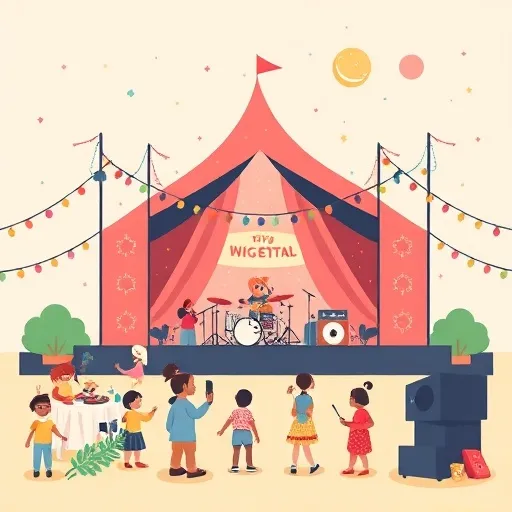
Family music events
Why Children Music Festivals Are Having a Moment in 2026
Family-friendly music events have changed in a big way. What used to be a tiny side stage stuck at the far edge of a festival grounds is now a full-blown headline attraction. Organizers finally figured out that parents want culture, connection, and entertainment that doesn't require hiring a babysitter. The result? Entire festivals built around young audiences, complete with sensory-friendly zones, curated kids' programming, and schedules that actually respect nap times. If you're putting together a children music festival activity guide for your family this year, you're stepping into a scene that's never been more welcoming.
Industry insiders say the family festival segment has grown faster than almost any other category in live entertainment. As one seasoned event producer put it, the demand for shared cultural experiences has completely reshaped how festivals get designed — families aren't an afterthought anymore, they're the core audience. That shift means more choice, better facilities, and way higher standards for safety and accessibility. A solid children music festival activity guide in 2026 looks nothing like the bare-bones checklists parents used five years ago.
There's another factor pushing this trend: parents who grew up going to festivals themselves now want to pass that joy along to their own kids. The nostalgia factor is very real, and organizers are leaning into it with multi-generational programming that keeps both kids and their parents genuinely entertained. That's exactly why a good children music festival activity guide matters — it helps you sort through the noise and find events that work for every age in your crew.
Understanding the Types of Children Music Festival Activities and Live Performance Formats
Before you book tickets, it really helps to know what kind of activities you can expect. Modern children music festivals typically offer a mix of the following categories, and any thorough children music festival activity guide should cover them all:
1. Live Musical Performances and Interactive Singalong Concerts for Kids
The heart of any festival, obviously. Children's music performances in 2026 range from intimate acoustic sets to full-band productions with puppetry, storytelling, and interactive singalongs. Plenty of festivals now feature dedicated "first concert" stages with reduced volume levels, soft lighting, and lots of floor space for dancing. When building your children music festival activity guide, mark these stages first — they fill up fast.
2. Interactive Workshops and Instrument-Making Stations
These are the sleeper hits of any family festival. Expect instrument-making stations, rhythm and movement classes, songwriting circles, and even beginner ukulele or percussion sessions. Workshops give kids hands-on engagement and often become the highlight of the whole day. Look for sessions grouped by age band so your four-year-old isn't competing with a twelve-year-old for a drumstick. A smart children music festival activity guide will flag which workshops need pre-booking.
3. Sensory-Friendly Spaces and Quiet Zones for Neurodiverse Families
One of the most welcome developments in recent years has been the rise of quiet zones and sensory-sensitive programming. These spaces offer lowered stimulation, soft seating, noise-reducing headphones, and trained staff who understand neurodiverse needs. If your child finds crowds overwhelming, seek out festivals that clearly advertise these accommodations — they've become a mark of quality programming. Any children music festival activity guide worth reading should call these out by name.
4. Arts and Crafts Villages with Face Painting and Instrument Decoration
Music festivals for kids almost always include creative corners where little hands can get busy. Face painting, instrument decoration, mural painting, and textile crafts keep children engaged between sets. Pro tip: hit these early in the day before supplies dwindle and lines grow. Slot them into your children music festival activity guide as buffer activities between bigger performances.
5. Movement and Dance Zones with Shaded Dance Tents
Dance tents designed specifically for young children — with non-slip flooring, shade coverage, and facilitators leading simple choreography — are a staple of 2026 family festivals. These zones let kids burn energy in a safe, supervised environment while parents grab a much-needed breather nearby. Honestly, they deserve their own section in every children music festival activity guide.
6. Storytime and Theatre Sessions Blending Music with Narrative Performance
Many festivals blend music with narrative performance: musical storytelling, puppet shows set to live scores, and theatrical productions designed to introduce young audiences to the stage. These sessions are ideal for the late-afternoon energy dip when kids need something calmer but still engaging.
How to Choose the Right Festival for Your Family: Age Suitability and Site Layout
Not all festivals are created equal, and the best one for your family depends on your children's ages, temperaments, and your own comfort level. Here's a practical checklist to fold into your children music festival activity guide:
- Age suitability: Check whether the programming targets toddlers, school-age children, or tweens. Many festivals publish detailed age guides.
- Site layout: Compact sites with short walking distances between stages work best for young children. Large sprawling grounds can mean exhausted legs and meltdowns by mid-afternoon.
- Facilities: Look for clearly signposted baby-changing areas, nursing tents, shaded rest zones, and water refill stations.
- Accessibility: If you have a child with mobility needs or sensory sensitivities, confirm what accommodations are in place before booking.
- Reviews and word of mouth: Parent communities are goldmines of honest feedback. Search local parenting forums and social groups for firsthand accounts.
- Weather contingencies: Outdoor festivals should have clear rain plans and plenty of covered areas. In 2026, climate-conscious planning means many events now publish heat protocols too.
One more tip from experienced festival families: start small. A single-day event at a local park is a far gentler introduction than a three-day camping festival. Build up to the big adventures — your children music festival activity guide should grow with your kids.
The Ultimate Family Festival Packing List: Essentials and Smart Extras
Packing well is half the battle. Here's what savvy parents are bringing in 2026, and what any children music festival activity guide should remind you to throw in the bag:
Essentials
- Reusable water bottles for every family member (with names labeled)
- Sunscreen, hats, and lightweight long-sleeve layers for sun protection
- Noise-reducing earmuffs for young children — live music can hit surprising decibel levels
- A lightweight blanket or mat for ground seating
- Wet wipes and hand sanitizer (always more than you think you need)
- A change of clothes for each child — festivals involve grass, mud, and spilled juice
Smart Extras
- A small backpack per adult so your hands stay free
- Snacks that won't melt or crumble — think dried fruit, crackers, and nut-free bars (check venue policies on outside food)
- A portable phone charger
- Earplugs for adults too — you'll thank yourself later
- A foldable wagon for tired little legs (check venue rules first)
- A simple first-aid kit with plasters and child-friendly pain relief
One thing to leave at home: valuables. Travel light, keep essentials in a zipped bag close to your body, and you'll move through crowds with far less stress. A tight, honest children music festival activity guide beats an overstuffed suitcase every time.
Navigating the Festival Day: A Sample Schedule for Toddlers and School-Age Kids
Structure helps children feel secure, so consider sketching out a loose plan before you arrive. Here's a template that works well for a family with children aged three to eight:
Morning: Arrival and Orientation
Arrive early — before the crowds and the heat. Use the first hour to walk the site, locate toilets, water stations, and the lost-child meeting point. Catch a gentle opening performance to ease everyone into the festival atmosphere.
Late Morning: Active Fun
Bookend high-energy activities here: dance zones, instrument workshops, or a lively main-stage set. Energy levels are highest mid-morning, so this is the time for movement.
Midday: Lunch and Downtime
Find shade, eat, hydrate, and let little ones recharge. Many festivals offer quieter midday programming — storytime sessions or acoustic sets — perfect for a low-key interlude.
Afternoon: Creative Exploration
Arts and crafts villages are ideal for the post-lunch slump. Kids can create while parents relax nearby. Follow up with a calmer performance or a second workshop.
Late Afternoon: Finale and Exit Strategy
Plan to leave before the headline act if you have young children. Beating the exit rush makes the journey home infinitely easier. If your kids are older and eager for the finale, set a clear meeting point and keep phones charged.
Safety First: Practical Tips Every Parent Should Know About Identification and Hearing Protection
Festivals are joyful chaos, and a little preparation goes a long way:
- Identification: Write your phone number on a wristband or inside your child's clothing. In 2026, many festivals also offer electronic wristband check-in for children.
- Meeting points: Choose a visible landmark near the entrance and practice walking to it together on arrival.
- Buddy system: If you're attending with another family, pair up children so no one wanders alone.
- Hydration and shade: Heat exhaustion is the most common festival health issue for families. Schedule regular water and shade breaks — don't wait for thirst.
- Hearing protection: Extended exposure to loud music can affect young ears. Earmuffs aren't overkill; they're smart parenting.
- Staff awareness: Point out security and information staff to your children so they know who to approach if separated.
Maximizing the Experience: Pro Tips from Festival Families and Seasoned Parents
Want to elevate your family's festival game? These strategies come straight from parents who've done the rounds, and they belong in every children music festival activity guide:
Embrace the "One Big Thing" Rule
Choose one anchor activity per day — a favorite performer, a special workshop — and build the day around it. This prevents over-scheduling and keeps expectations realistic.
Let Kids Lead Sometimes
Give each child a turn choosing the next activity. Ownership transforms the experience from a parent-managed outing into a shared adventure.
Capture Moments, Not Everything
Take a few photos, then put the phone away. The best festival memories happen in the gaps between planned moments — spontaneous dances, new friendships, muddy boots.
Talk About It Afterward
Post-festival conversations extend the joy. Ask kids about their favorite sounds, favorite snacks, favorite moments. You'll learn what to prioritize next time — and you'll be building a family tradition, one summer at a time.
Frequently Asked Questions About Age Appropriateness, Volume Levels, and Outside Food
What age is appropriate for a children music festival?
Many festivals welcome children from toddler age upward, with programming tailored to different age groups. For infants, check whether the venue has adequate quiet spaces and nursing facilities. For first-timers, single-day events geared toward children aged two to ten tend to be the most forgiving introduction.
Are children music festivals loud?
Volume levels vary widely. Dedicated children's stages are typically mixed at lower levels than main stages, but decibel levels can still be significant near speakers. Hearing protection for young children is strongly recommended, and families should position themselves further back from the speakers.
Can I bring my own food?
Policies differ by event. Many family-oriented festivals permit outside snacks and sealed drinks, particularly for dietary or medical needs. Always check the specific event's published rules before travelling.
What if my child gets overwhelmed?
Every family festival should have a quiet space or sensory-friendly zone. Locate it on arrival and use it without hesitation — stepping away for twenty minutes often rescues the entire day. Trained staff at these zones can offer practical support.
How do I budget for a family festival?
Factor in tickets, travel, food, and activities. Many festivals offer family passes and early-bird pricing. Packing your own snacks, bringing refillable bottles, and choosing one or two paid activities keeps costs predictable — a budget line every children music festival activity guide should include.
Final Thoughts: Building a Festival Tradition with Your Children Music Festival Activity Guide
A children music festival isn't just a day out — it's an investment in your child's relationship with music, culture, and community. The sensory richness of live performance, the thrill of discovering a new sound, the simple pleasure of dancing barefoot on grass with your family — these are the moments that stick.
As the 2026 festival season unfolds, take this children music festival activity guide as your starting point, then adapt it to your own family's rhythm. Start small, pack smart, protect those little ears, and leave room for spontaneity. The best children music festivals aren't the ones with the biggest lineups — they're the ones where your child turns to you, mid-song, with eyes wide and says, "Can we come back next year?" That's the goal. And with a bit of planning, a lot of flexibility, and a children music festival activity guide you actually trust, you'll get there beautifully.